
Avoid These Common Node.js Backend Development Mistakes
Introduce the significance of Node.js in backend development and how its popularity has led to an array of common mistakes that developers might overlook.

Dev Orbit
June 23, 2025
Node.js has revolutionized backend development by enabling efficient, scalable, and high-performance applications with its non-blocking I/O and event-driven architecture. However, its widespread adoption has also led many developers to unintentionally fall prey to common pitfalls—from improper error handling to inefficient coding patterns. In this piece, we explore these frequent mistakes and discuss best practices that can elevate your Node.js backend development, ensuring your applications remain robust and performant.
1. Ignoring Asynchronous Nature
Explain the misconception of Node.js as a purely synchronous platform and highlight the importance of handling asynchronous operations correctly, emphasizing the use of callbacks, Promises, or async/await for better code execution flow.
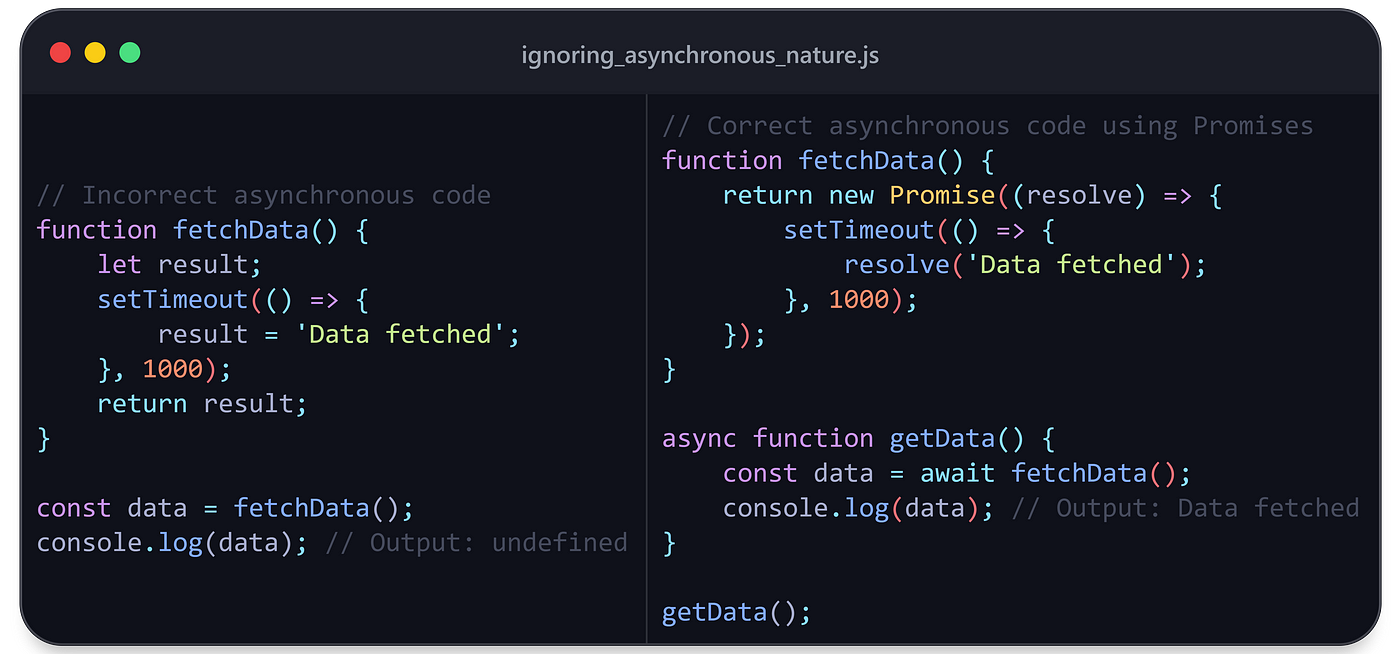
Use callbacks, Promises, or async/await to handle asynchronous operations correctly.
2. Not Optimizing Error Handling
Discuss the oversight of error handling practices, such as not properly handling exceptions or neglecting error-first callbacks, and showcase the impact it can have on code stability and maintainability.
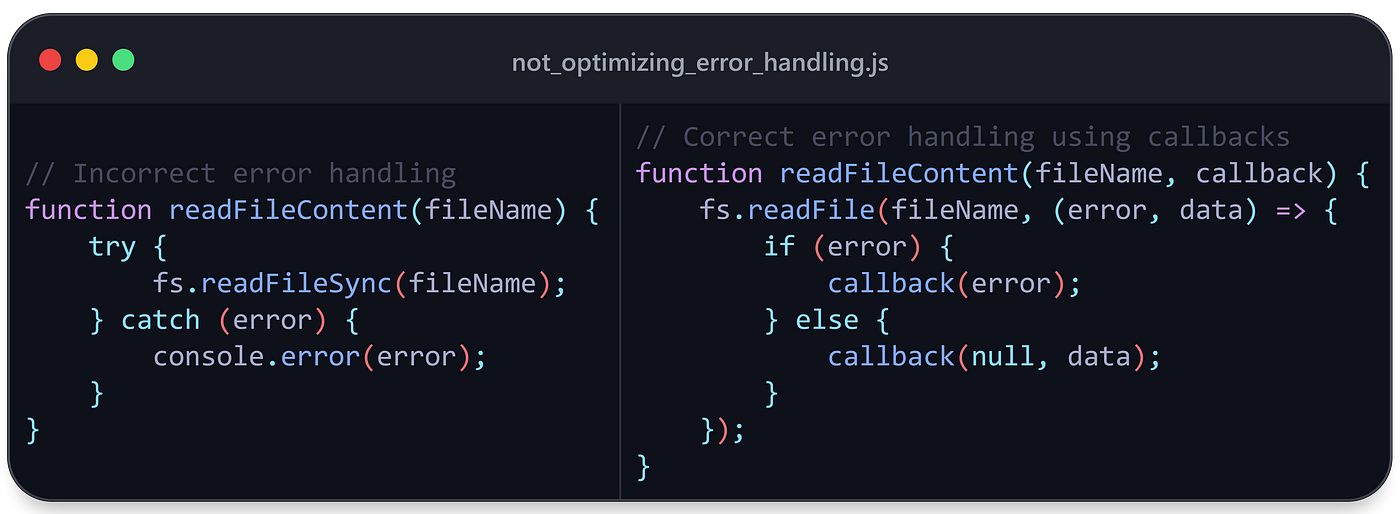
Handle errors explicitly and use error-first callbacks or Promises.
3. Overlooking Memory Leaks
Explain the risk of memory leaks in Node.js applications due to improper handling of references or continuous data accumulation, and suggest strategies like using memory profiling tools or adopting best practices to mitigate these leaks.
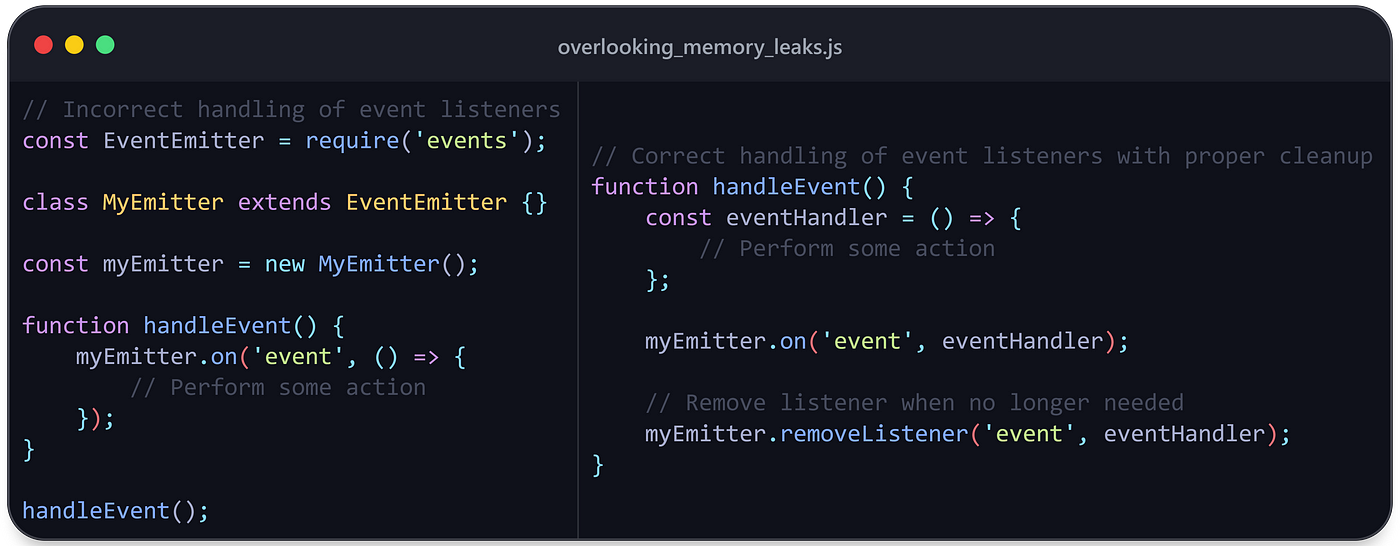
Properly manage event listeners to avoid memory leaks.
4. Poor Scalability Planning
Highlight the mistake of not considering scalability early in the development process, leading to challenges when the application needs to handle larger loads. Emphasize the importance of designing for scalability from the start.
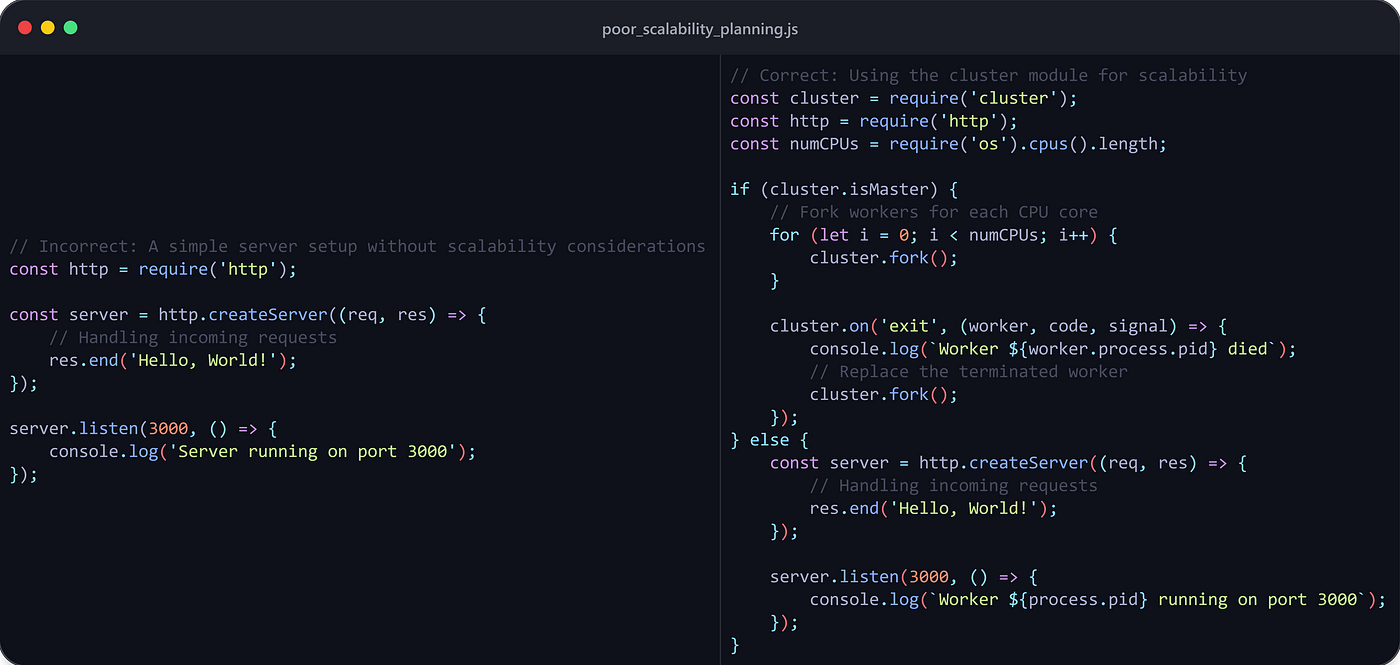
Implement a scalable architecture using a cluster module to take advantage of multiple CPU cores.
5. Lack of Security Measures
Discuss the oversight of security concerns, such as not sanitizing user inputs, not implementing proper authentication/authorization mechanisms, or neglecting secure coding practices, and recommend robust security practices.
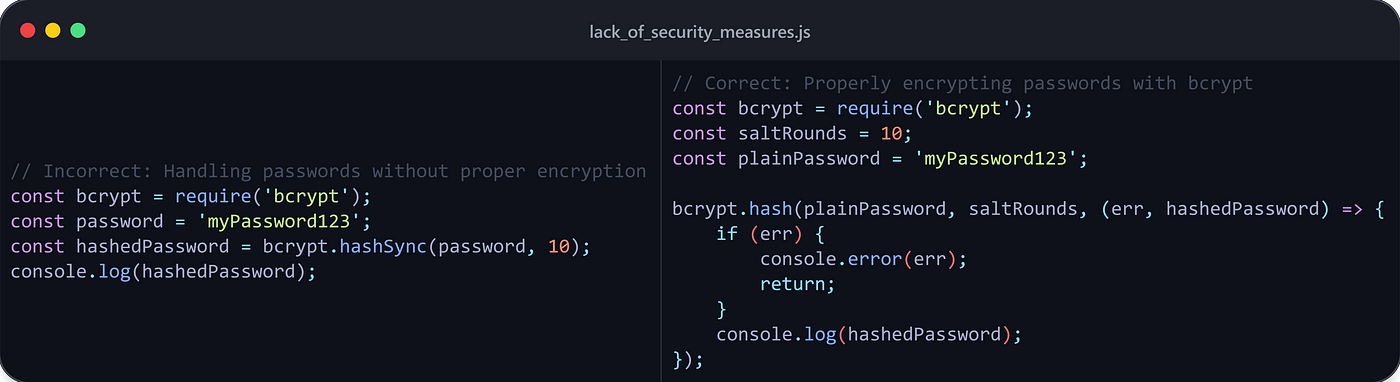
Use proper encryption techniques and consider additional security measures.
6. Not Utilizing Caching Mechanisms
Explain the benefits of caching and how neglecting it can lead to reduced performance. Showcase common mistakes in implementing caching or not considering cache invalidation strategies.
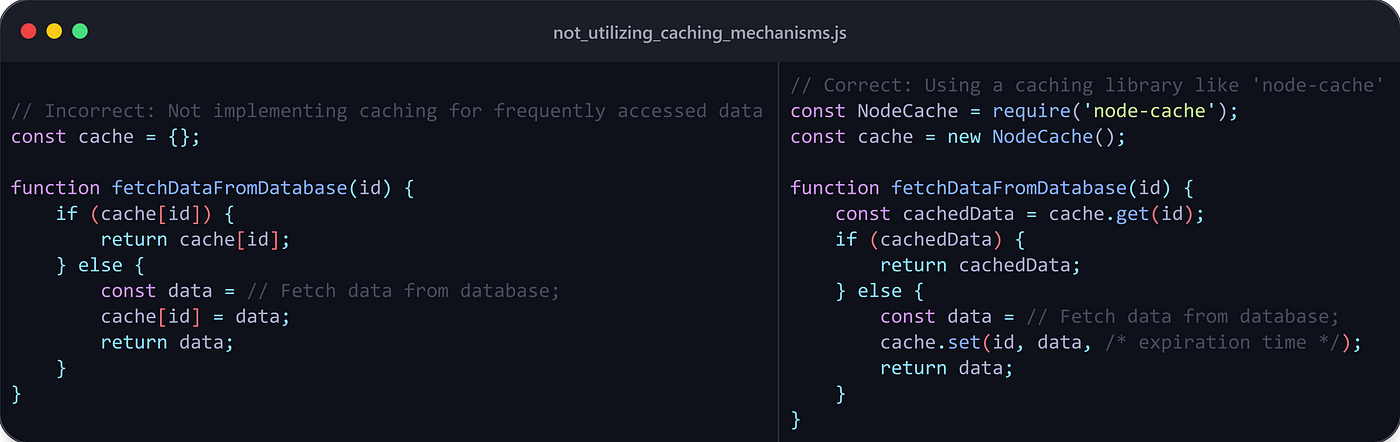
Implement caching mechanisms using specialized tools or libraries.
7. Overcomplicating Code Structure
Address the mistake of over-engineering solutions or creating unnecessarily complex code structures, which can hinder maintainability and readability.

Simplify code structure and maintain modularity for better maintainability.
8. Foregoing Testing and Documentation
Emphasize the necessity of thorough testing and comprehensive documentation. Explain how overlooking these practices can lead to more errors and confusion in the long run.
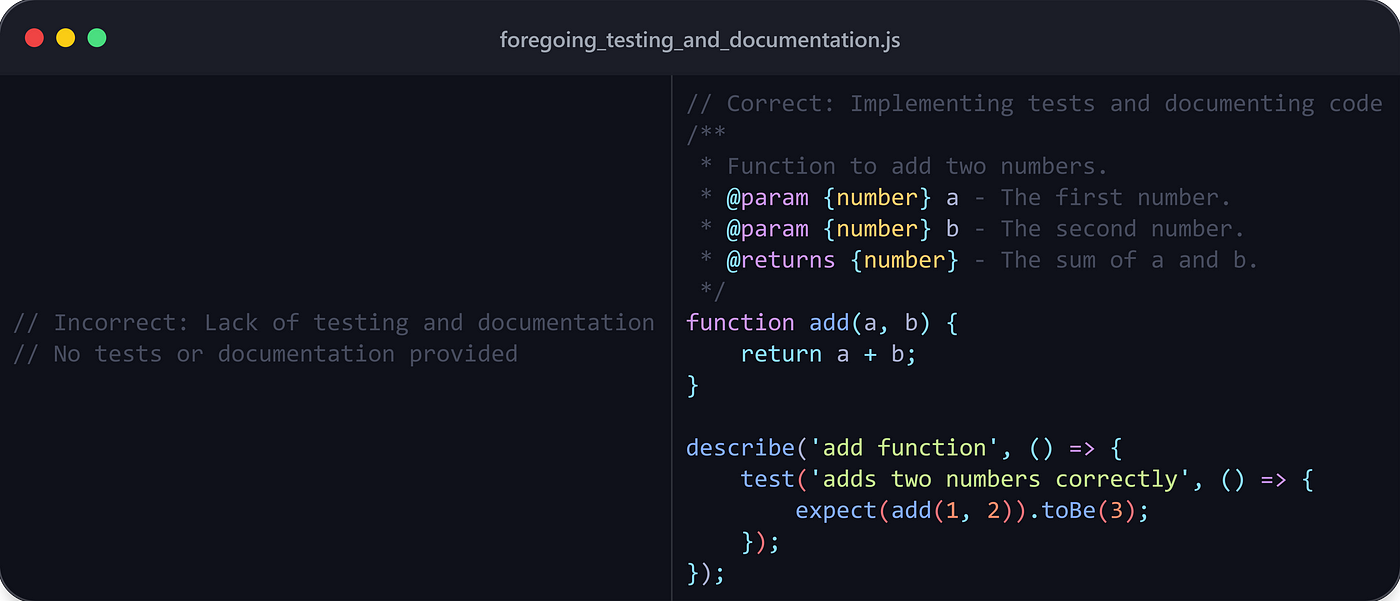
Embrace testing frameworks like Jest and document code using tools like JSDoc.
Conclusion
Summarize the importance of being aware of these common mistakes and provide encouragement for Node.js developers to continuously educate themselves to write more efficient, scalable, and secure backend code.

Enjoyed this article?
Subscribe to our newsletter and never miss out on new articles and updates.
More from Dev Orbit

Raed Abedalaziz Ramadan: Steering Saudi Investment Toward the Future with AI and Digital Currencies
In an era marked by rapid technological advancements, the intersection of artificial intelligence and digital currencies is reshaping global investment landscapes. Industry leaders like Raed Abedalaziz Ramadan are pioneering efforts to integrate these innovations within Saudi Arabia’s economic framework. This article delves into how AI and digital currencies are being leveraged to position Saudi investments for future success, providing insights, strategies and practical implications for stakeholders.
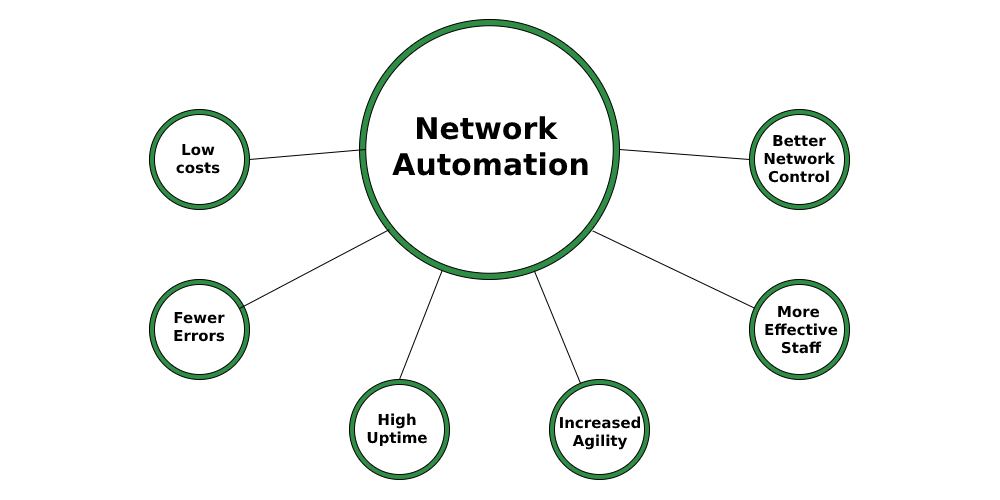
The Network Evolution: Traditional vs. Automated Infrastructure
Discover the revolution from traditional to automated network infrastructures, learn the benefits, challenges and advanced strategies for seamless transition.

From Autocompletion to Agentic Reasoning: The Evolution of AI Code Assistants
Discover how AI code assistants have progressed from simple autocompletion tools to highly sophisticated systems capable of agentic reasoning. This article explores the innovations driving this transformation and what it means for developers and technical teams alike.
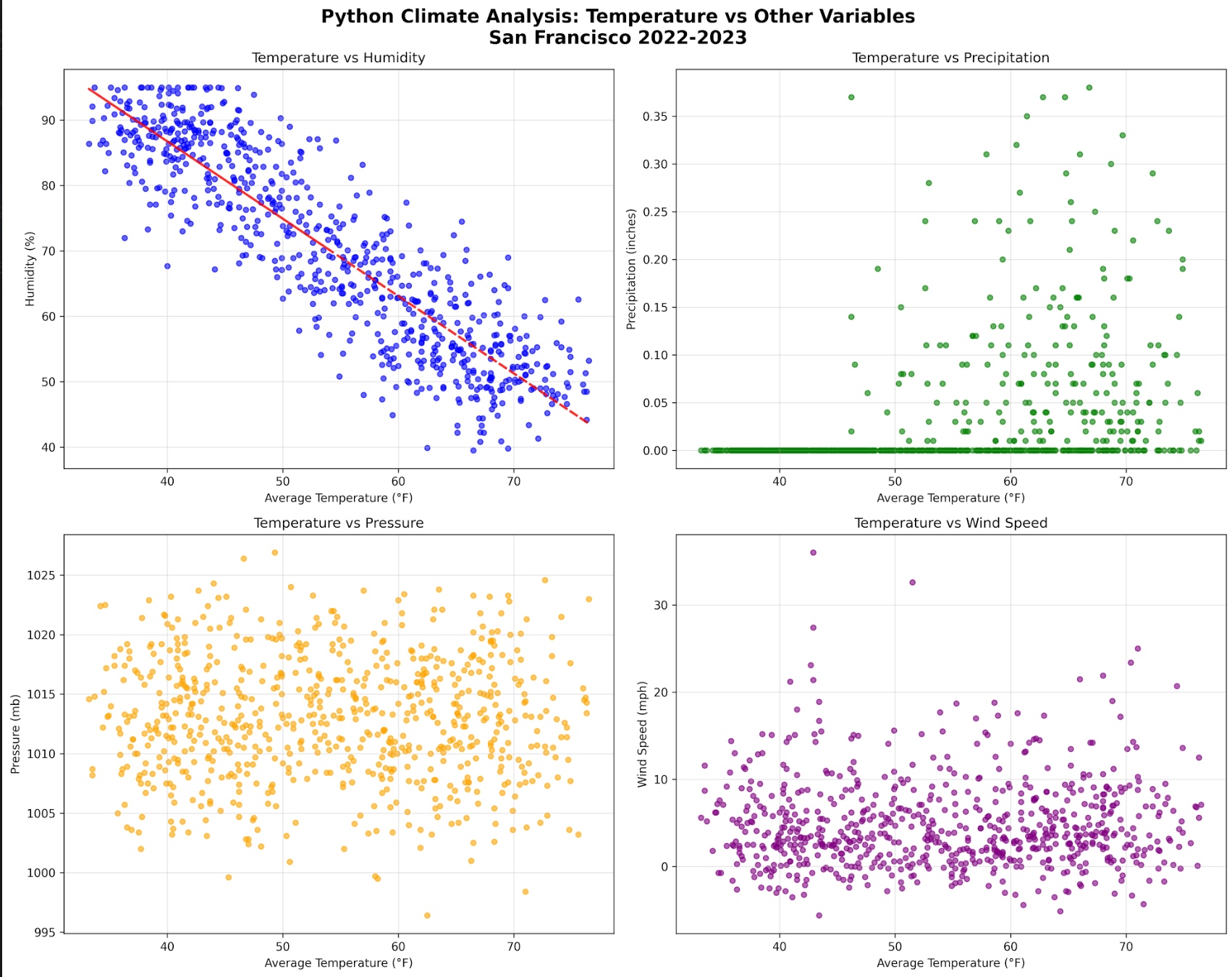
Python vs R vs SQL: Choosing Your Climate Data Stack
Delve into the intricacies of data analysis within climate science by exploring the comparative strengths of Python, R and SQL. This article will guide you through selecting the right tools for your climate data needs, ensuring efficient handling of complex datasets.

You’re Using ChatGPT Wrong: Try This Underground Prompting Method Instead
Unlock the full potential of ChatGPT with innovative prompting techniques that elevate your conversations and outputs. Learn how to interact with AI like a pro by diving deep into unique and effective methods that go beyond typical usage. This post unveils the underground prompting strategies that can lead to richer, more contextual AI interactions.
Unlocking WASI: The Future of Serverless with WebAssembly
Discover how WASI is transforming serverless computing with secure, portable WebAssembly runtimes for the cloud era.
Releted Blogs
Mastering Git Hooks for Automated Code Quality Checks and CI/CD Efficiency
Automate code quality and streamline your CI/CD pipelines with Git hooks. This step-by-step tutorial shows full-stack developers, DevOps engineers, and team leads how to implement automated checks at the source — before bad code ever hits your repositories.

10 Powerful Tips for Efficient Database Management: SQL and NoSQL Integration in Node.js
Streamline your Node.js backend by mastering the integration of SQL and NoSQL databases—these 10 practical tips will help you write cleaner, faster and more scalable data operations.

Stop Writing Try/Catch Like This in Node.js
Why Overusing Try/Catch Blocks in Node.js Can Wreck Your Debugging, Performance, and Sanity — And What to Do Instead
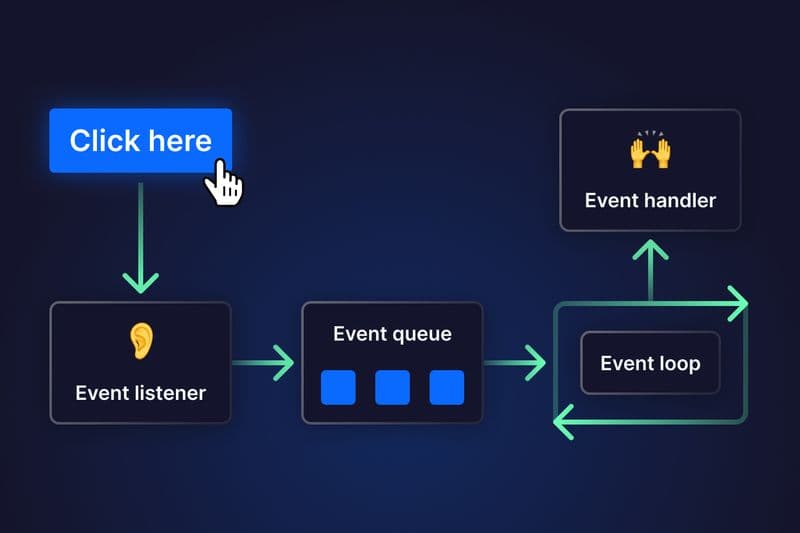
Event-Driven Architecture in Node.js
Event Driven Architecture (EDA) has emerged as a powerful paradigm for building scalable, responsive, and loosely coupled systems. In Node.js, EDA plays a pivotal role, leveraging its asynchronous nature and event-driven capabilities to create efficient and robust applications. Let’s delve into the intricacies of Event-Driven Architecture in Node.js exploring its core concepts, benefits, and practical examples.
9 Powerful Reasons Why NestJS Beats Other Backend Frameworks in 2025
NestJS is revolutionizing how developers approach backend development in 2025. With built-in TypeScript support, modular architecture and first-class microservices integration, it's more than just a framework—it's a complete platform for building enterprise-grade, scalable applications. Discover why NestJS outshines Express, Django, Laravel and other backend giants in this in-depth comparison.

Deep Dive into Error Handling and Logging in Node.js
Mastering the essentials of error handling and logging in Node.js for more resilient backends.
Have a story to tell?
Join our community of writers and share your insights with the world.
Start Writing